
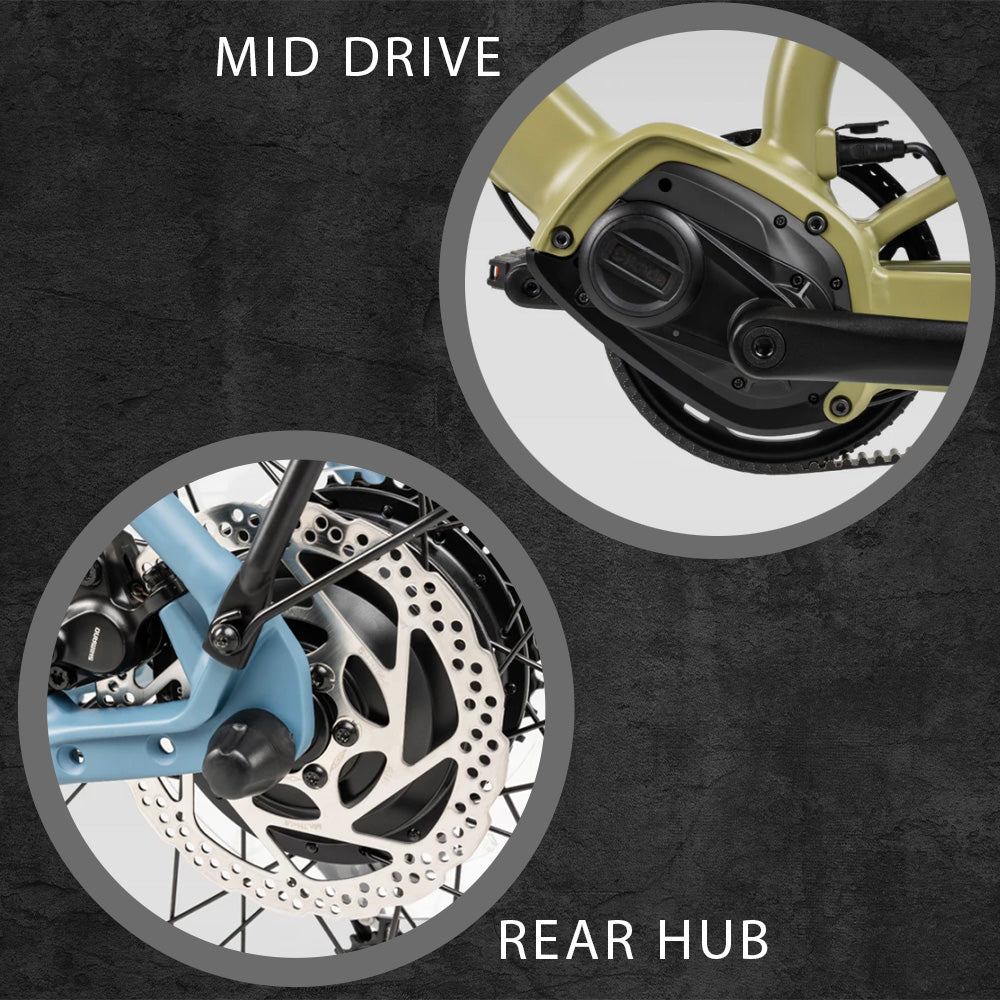
The Difference Between Mid-Drive Motors and Rear Hub Motors for eBikes
As eBikes continue to rise in popularity, understanding the various types of motors available becomes increasingly important for anyone wanting to make an informed choice. The two main motor categories you'll come across are mid-drive motors and rear hub motors, each offering its own set of benefits and drawbacks. This guide explores the key differences to help you decide which option best suits your riding style and needs.

Understanding eBike Motors
An eBike uses an electric motor to assist your pedalling, making longer journeys and steep climbs far easier. The type of motor fitted to an eBike can have a big influence on performance, efficiency and overall cost. To make a well-rounded decision, it’s important to understand how mid-drive and rear hub motors differ.
A Brief Look at How eBike Motors Have Evolved
Early eBike motors were often bulky and lacked efficiency. However, significant technological advancements have transformed modern eBikes into highly capable and refined machines. Appreciating this progression sheds light on how sophisticated today’s systems have become.
How eBike Motors Work
In simple terms, an eBike motor boosts the power you apply when pedalling. Sensors detect your pedalling effort and deliver assistance based on the support level you’ve selected. This creates a smooth, natural-feeling ride that blends human power with electric assistance.
Why Motor Placement Matters
The position of the motor plays a crucial role in how an eBike handles, performs and feels. Mid-drive motors and rear hub motors behave quite differently because of their placement, especially in terms of weight distribution, efficiency and maintenance requirements. Understanding these contrasts is key to choosing the right motor configuration.
Mid-Drive Motors
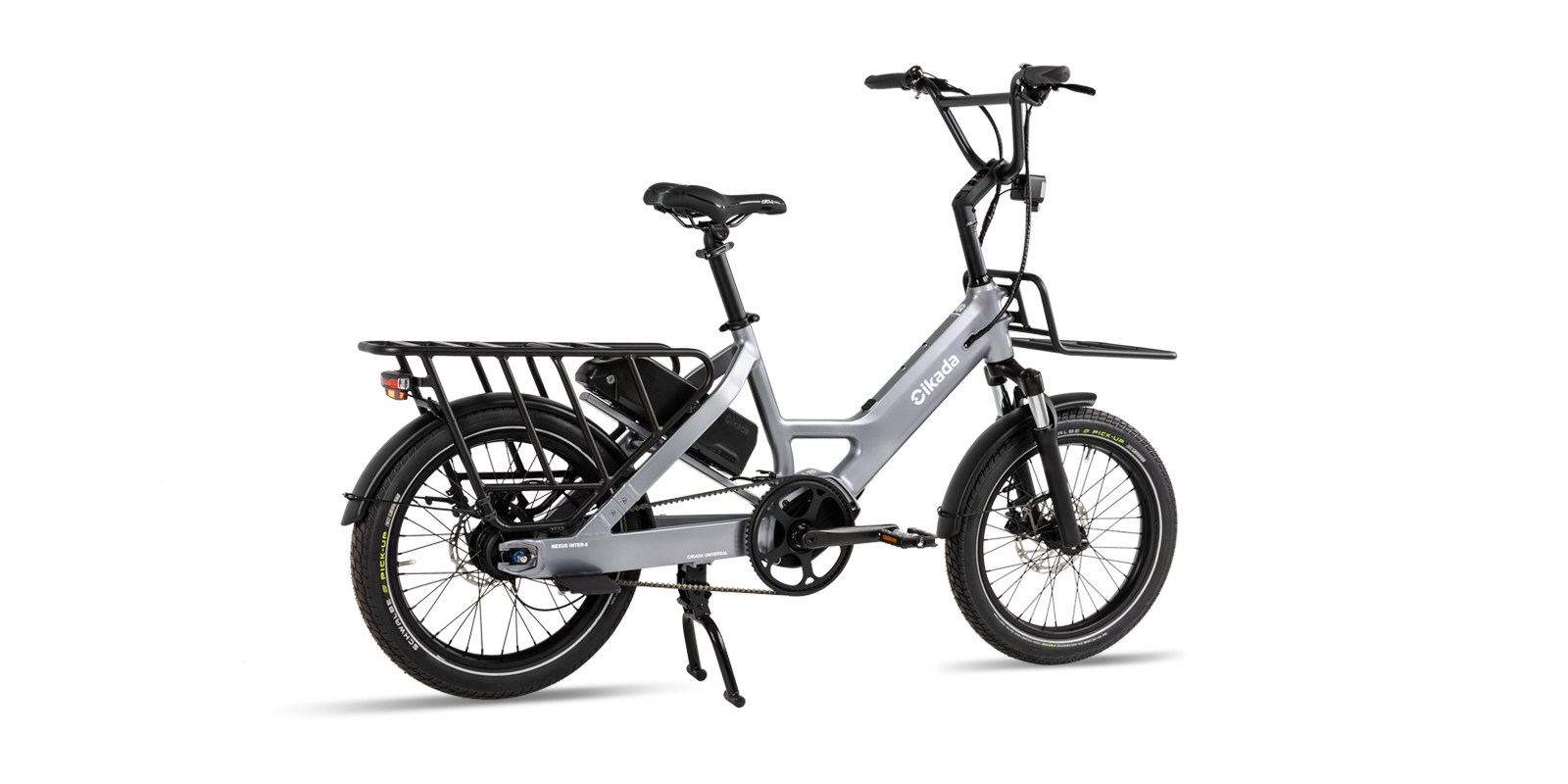
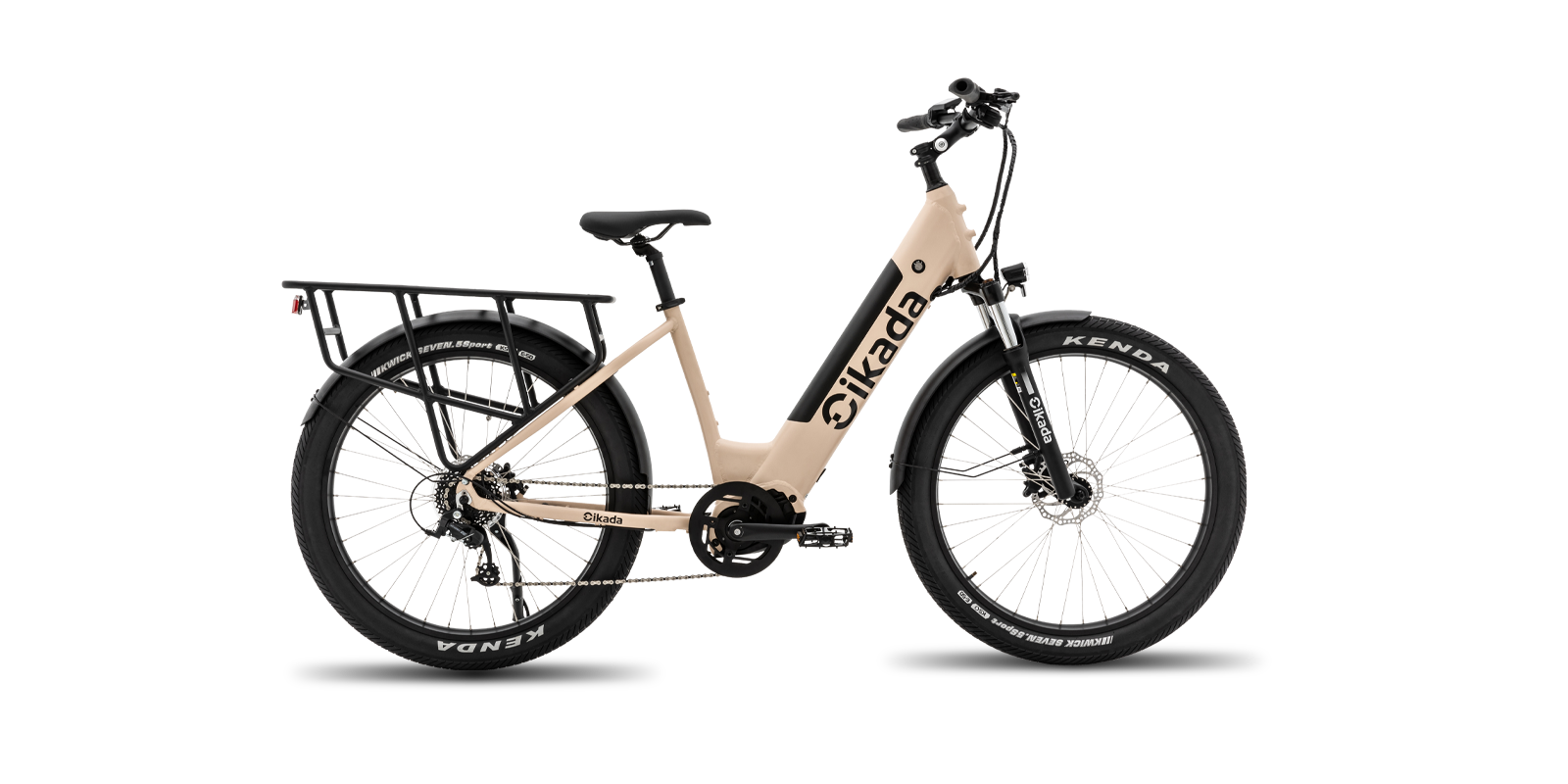
Mid-drive motors sit in the centre of the bike, usually integrated with the crankset. Here, the motor drives the chain directly and uses the bike’s gears to deliver power efficiently.
The Cikada Touring e-Bike features such a motor to deliver a combination of reliability and strong pedal assistance across 5 modes.

What Are Mid-Drive Motors?
Mid-drive motors are commonly found on higher performance eBikes. Because they utilise the bike’s gear system, they can provide stronger, more responsive assistance across a wide variety of terrains.

Advantages of Mid-Drive Motors
- Superior Performance
Mid-drive motors excel on steep hills and rough ground. By working through the bike’s gears, they maintain optimal efficiency and deliver improved torque, making them ideal for off-road riders or anyone living in a hilly area.
- Balanced Weight Distribution
With the motor positioned centrally, the bike feels more stable and predictable. This balanced setup gives a more natural riding experience and reduces the chance of instability on uneven ground.
- Better Battery Efficiency
Because mid-drive motors can make use of the bike’s gearing, they typically use power more efficiently. Riders can optimise their effort across varying conditions, often resulting in extended battery life and fewer charging stops.
Disadvantages of Mid-Drive Motors
- Higher Cost
Mid-drive systems tend to be more expensive due to their complexity and additional components. While the upfront cost is higher, many riders feel the improved performance justifies the investment.
- More Maintenance
The increased strain on the chain and gears can lead to more frequent wear and servicing. Mid-drive owners need to be prepared for more regular drivetrain upkeep.
- Complicated Installation
Mid-drive units are more technically involved to fit, often requiring professional installation. This may be less appealing for riders who prefer simple, DIY-friendly setups.
Rear Hub Motors
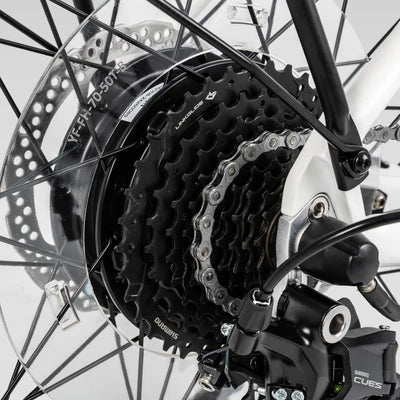
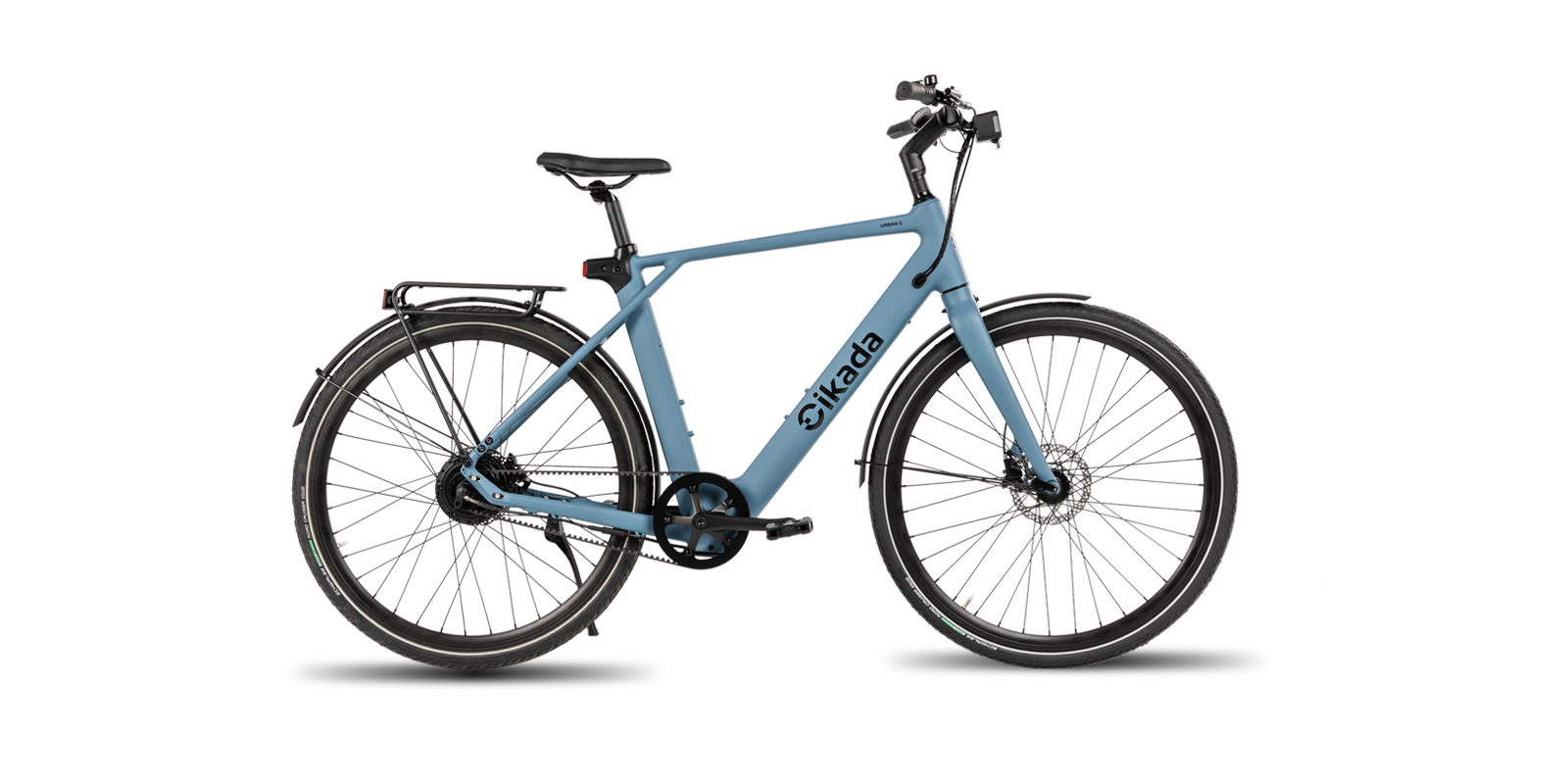
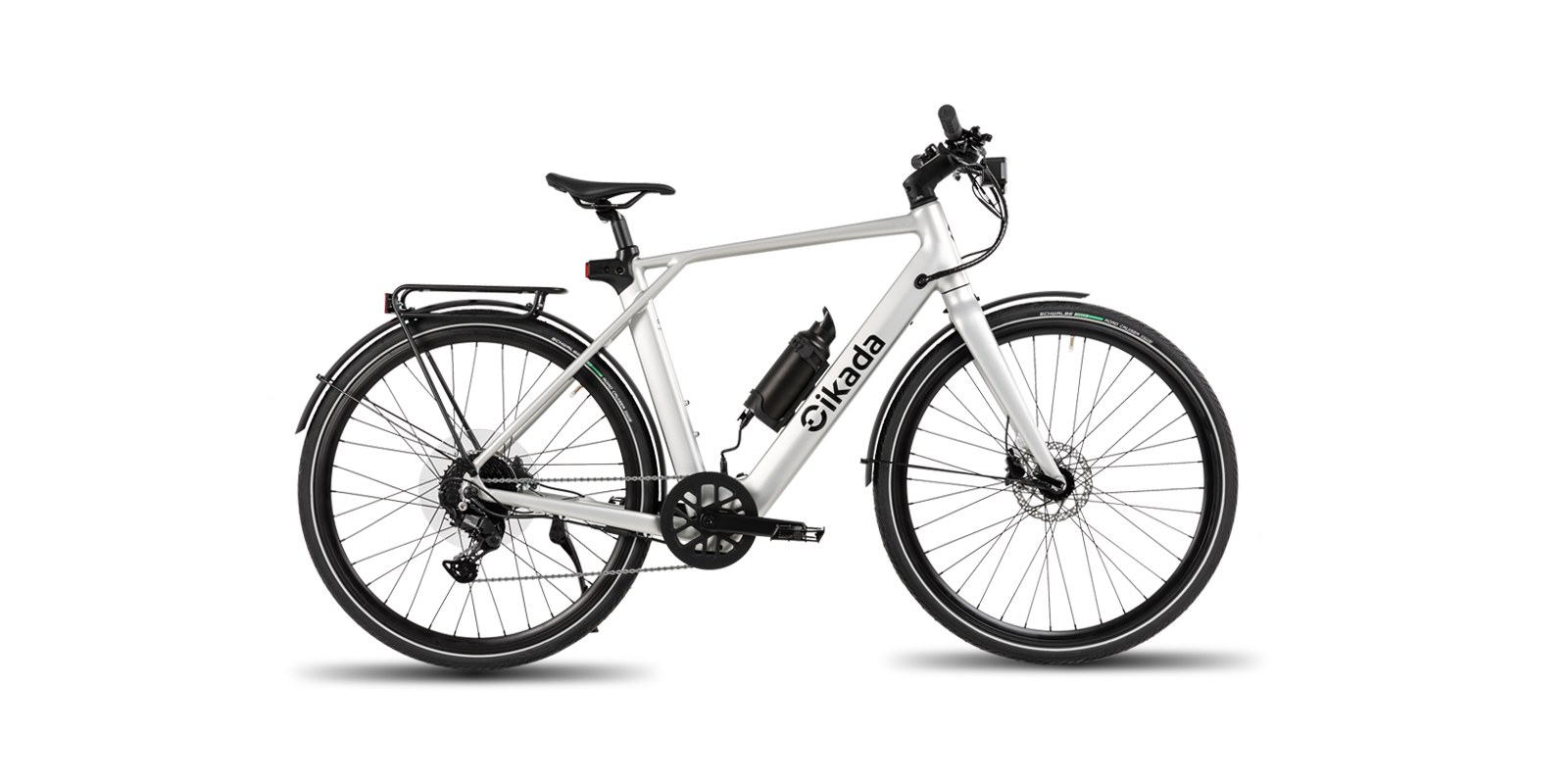
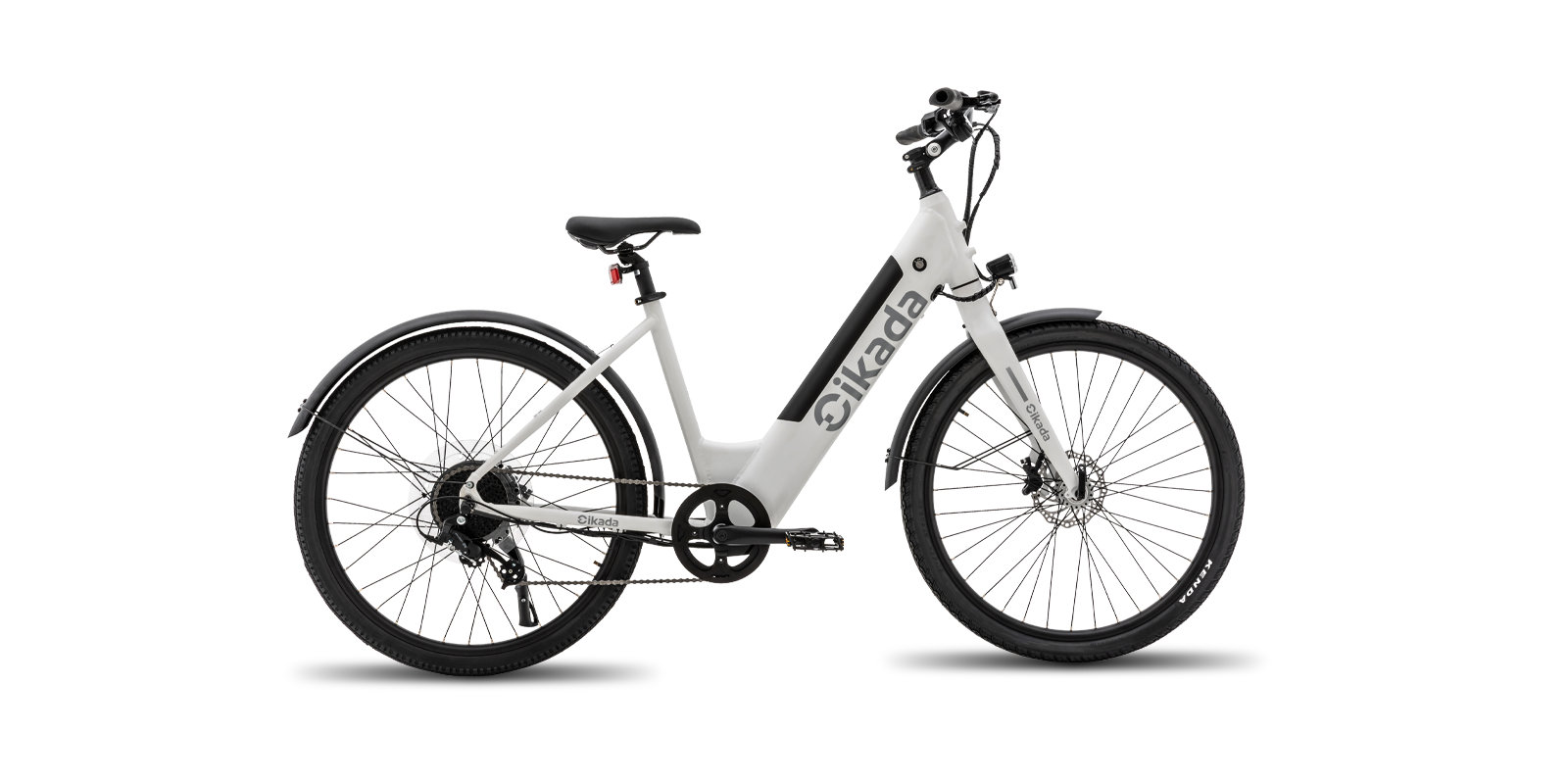
Rear hub motors sit in the centre of the back wheel and drive the wheel directly, independent of the bike’s gearing. This configuration is commonly found on commuter and leisure eBikes (for instance, it is seen in the Cikada City e-Bike).

What Are Rear Hub Motors?
Rear hub motors offer a simple and reliable propulsion method that doesn’t interfere with the bike’s drivetrain. Such motors power the rear wheel directly, ensuring straightforward operation and making them popular with beginners and casual riders.

Advantages of Rear Hub Motors
- Simple and Cost-Effective
Rear hub motors are typically cheaper and simpler to manufacture. They’re also easier to install and replace, making them a popular choice for riders on a budget or newcomers to eBiking.
- Minimal Drivetrain Wear
As they operate independently from the chain and gears, drivetrain wear is reduced. This translates to lower maintenance requirements over time.
- Quiet Operation
Rear hub motors often run more quietly than mid-drive systems, offering a smooth and peaceful riding experience.
Disadvantages of Rear Hub Motors
- Less Effective on Hills
Because rear hub motors can’t take advantage of the bike’s gears, they often struggle on steep or challenging terrain compared to mid-drive systems.
- Unbalanced Weight
With the motor positioned at the rear, the bike can feel tail-heavy. This may affect handling, particularly on uneven surfaces or off-road tracks.
- Limited Performance Tuning
Rear hub motors offer fewer options for adjusting performance characteristics. Riders have less influence on motor efficiency and responsiveness.
Mid-Drive vs Rear Hub: Comparing Performance

Terrain Capability
Mid-drive motors shine on mixed or hilly terrain thanks to their ability to use the bike’s gearing. Rear hub motors are well-suited to flatter routes and general commuting.
Power & Torque
Mid-drive motors generally deliver stronger torque and better power control, making them superior for demanding rides. Rear hub motors, while capable, can’t match this strength on tough inclines.
Overall Ride Feel
Mid-drive systems provide a balanced, intuitive ride with more responsive assistance. Rear hub motors offer a simple, no-fuss experience ideal for everyday cycling.
Which Motor Type Is Best for You?
Terrain
Choose a mid-drive if you regularly ride hills or tackle varied terrain. Rear hub motors are perfectly adequate for city riding and flatter areas.
Budget
Rear hub motors are more wallet-friendly, but mid-drive motors may offer better long-term value through enhanced performance.
Maintenance
Mid-drive motors often require more upkeep due to drivetrain involvement, while rear hub motors offer a low-maintenance alternative.
Riding Style
If balanced handling and performance matter most, go mid-drive. If you prefer simplicity and ease of use, a rear hub may be ideal.
Conclusion
Choosing between a mid-drive and a rear hub motor depends on your riding preferences, terrain, and budget. Both systems offer clear advantages, and understanding these differences will help you select the right motor for your lifestyle.
Whether you prefer the versatility and hill-climbing power of a mid-drive, or the simplicity and affordability of a rear hub system, the right motor will elevate your eBike experience and make every journey more enjoyable.